

Most popular
Application photo
ERAS Basic
$225
- Up to 20 min session
- Over 35 high-res images
- One outfit · Light background
- Formatted to AAMC ERAS spec
- Same-day delivery


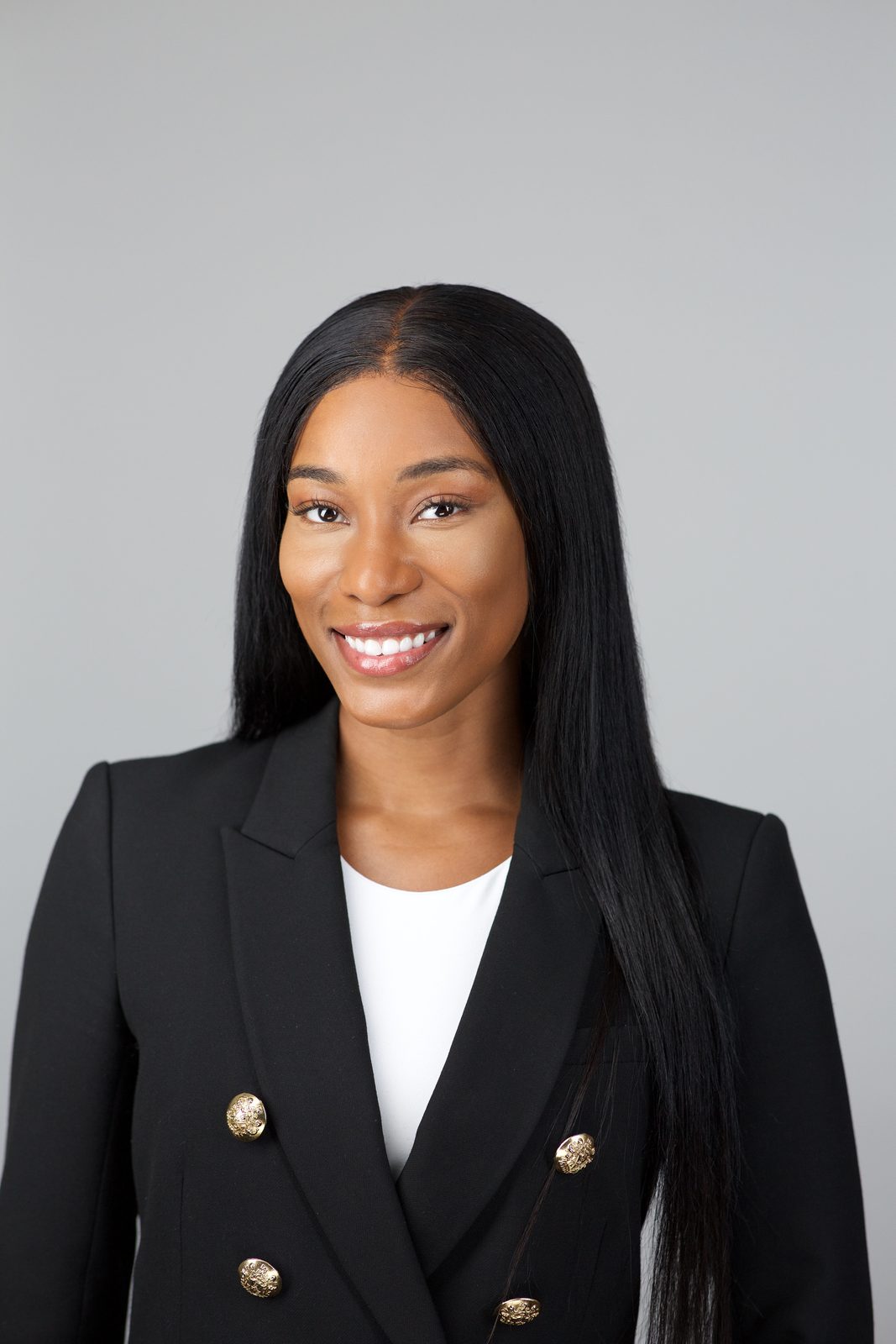
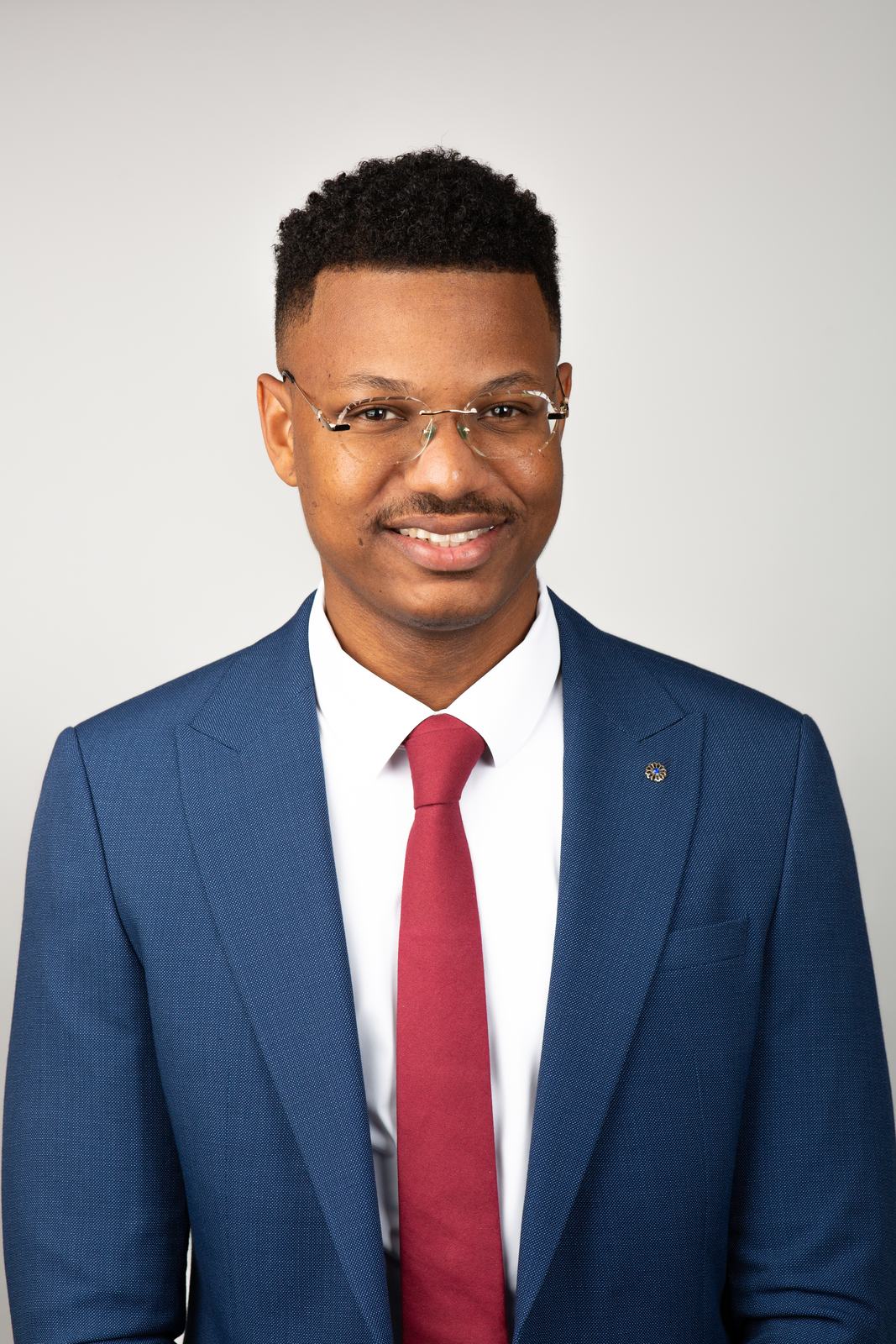

5 stars on Yelp & Google
"I was nervous, but the whole experience was straightforward and easy. A huge array of options — and the photos same day."
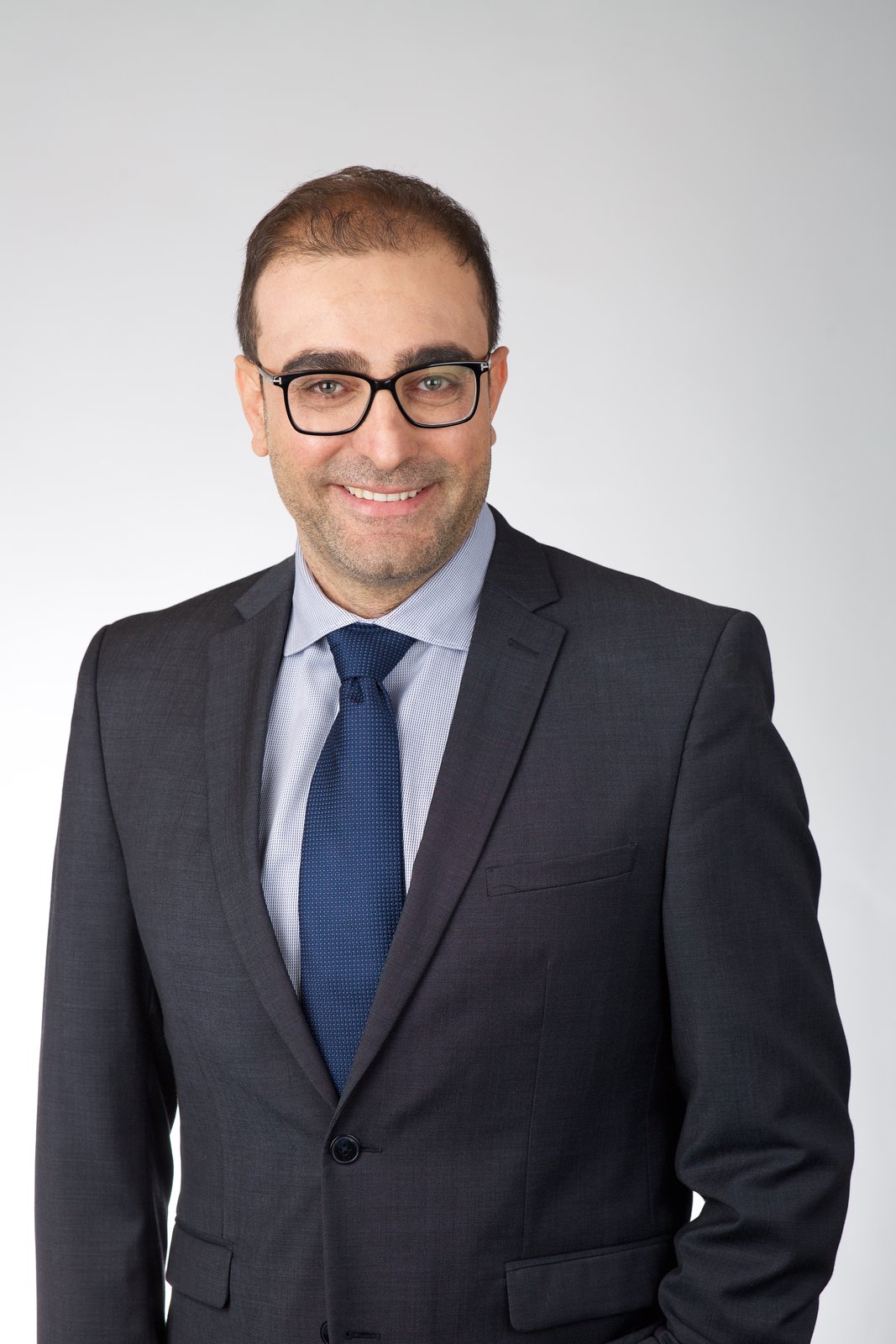
"Made me feel at ease and helped me pick the best shots. I've used them twice now and can't recommend them enough."
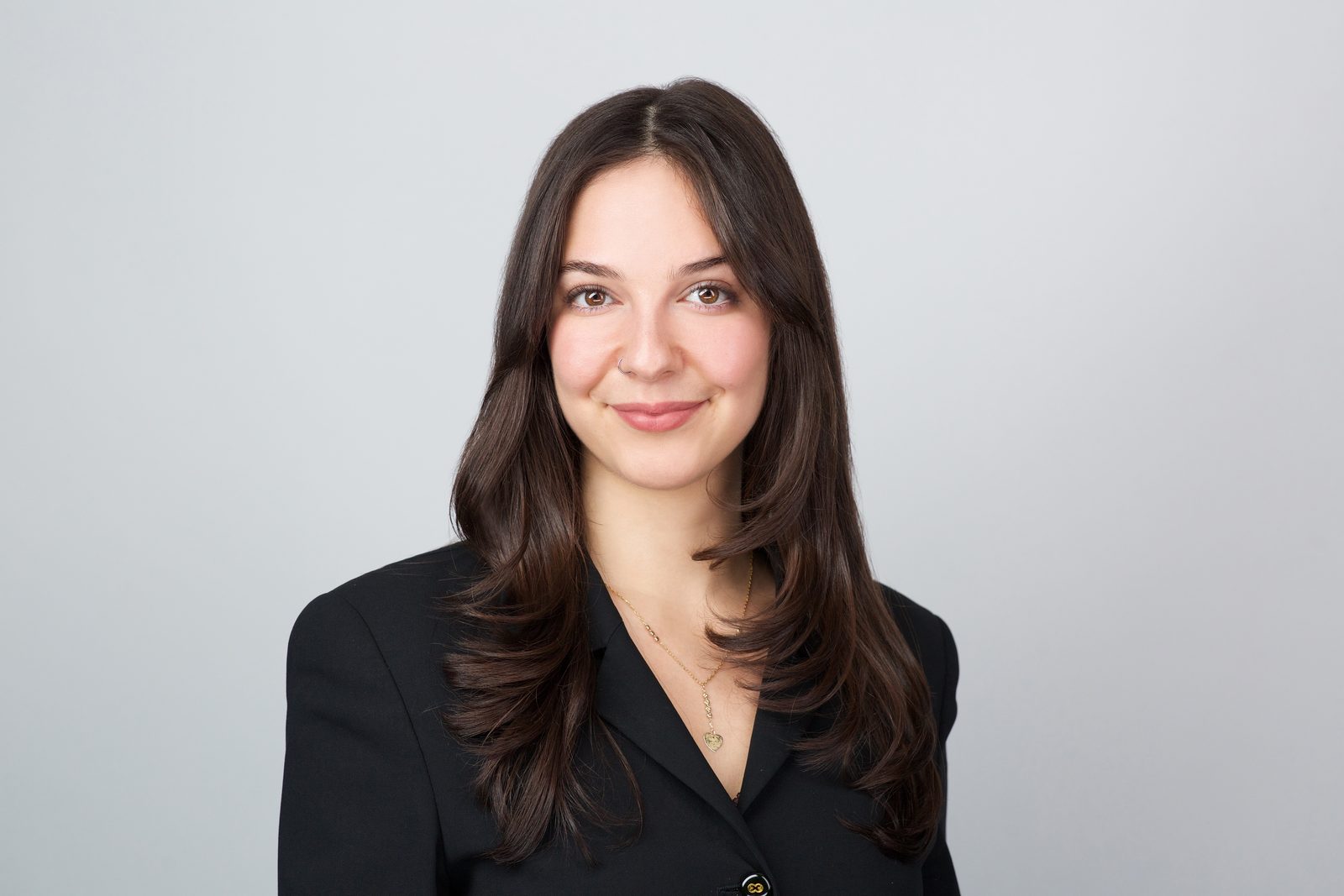
"Incredibly professional while keeping it relaxed. Clear, thoughtful, artistic direction — it made a huge difference."
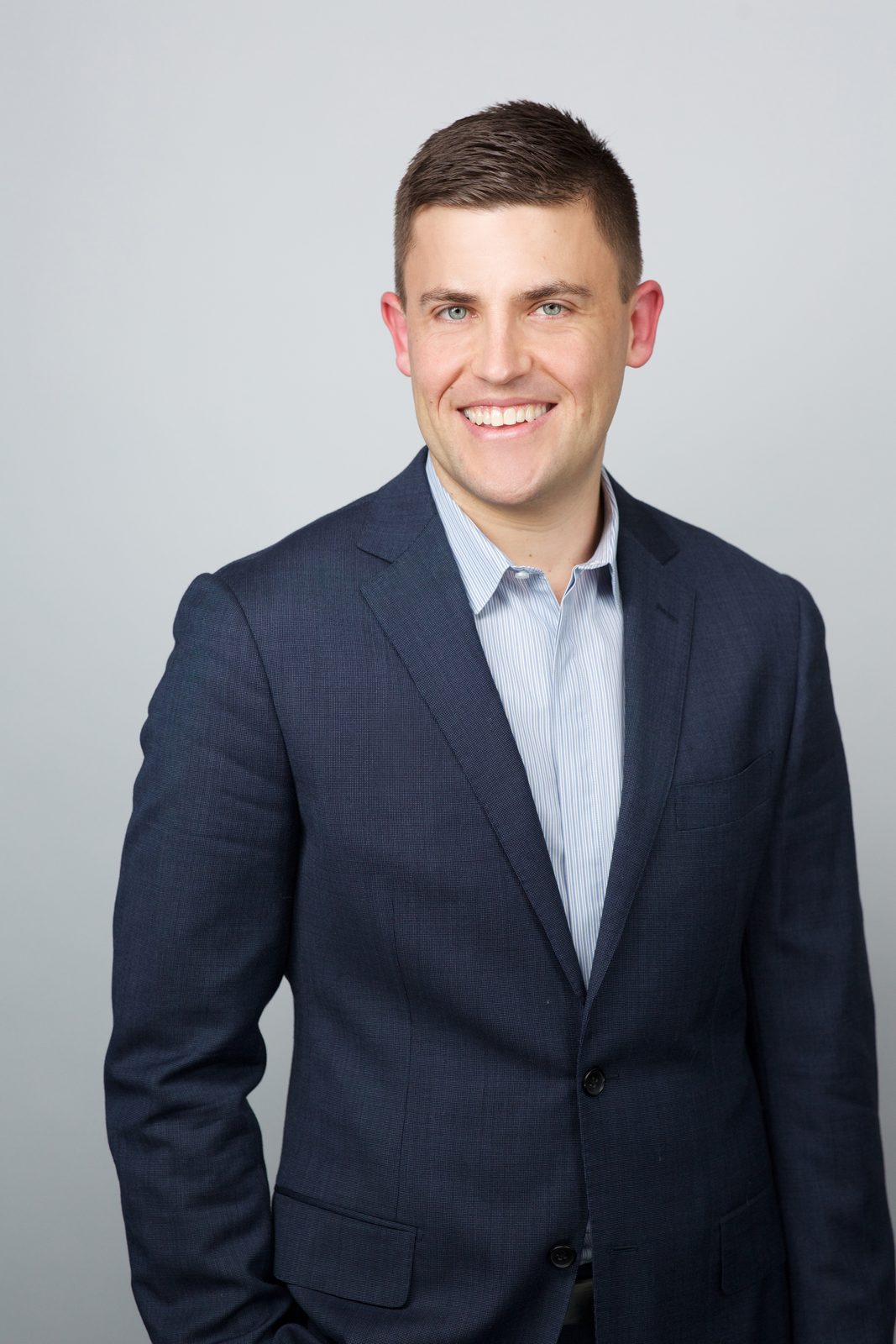
"He put me at ease immediately and gave great advice on choosing the perfect photo for ERAS. A true professional."
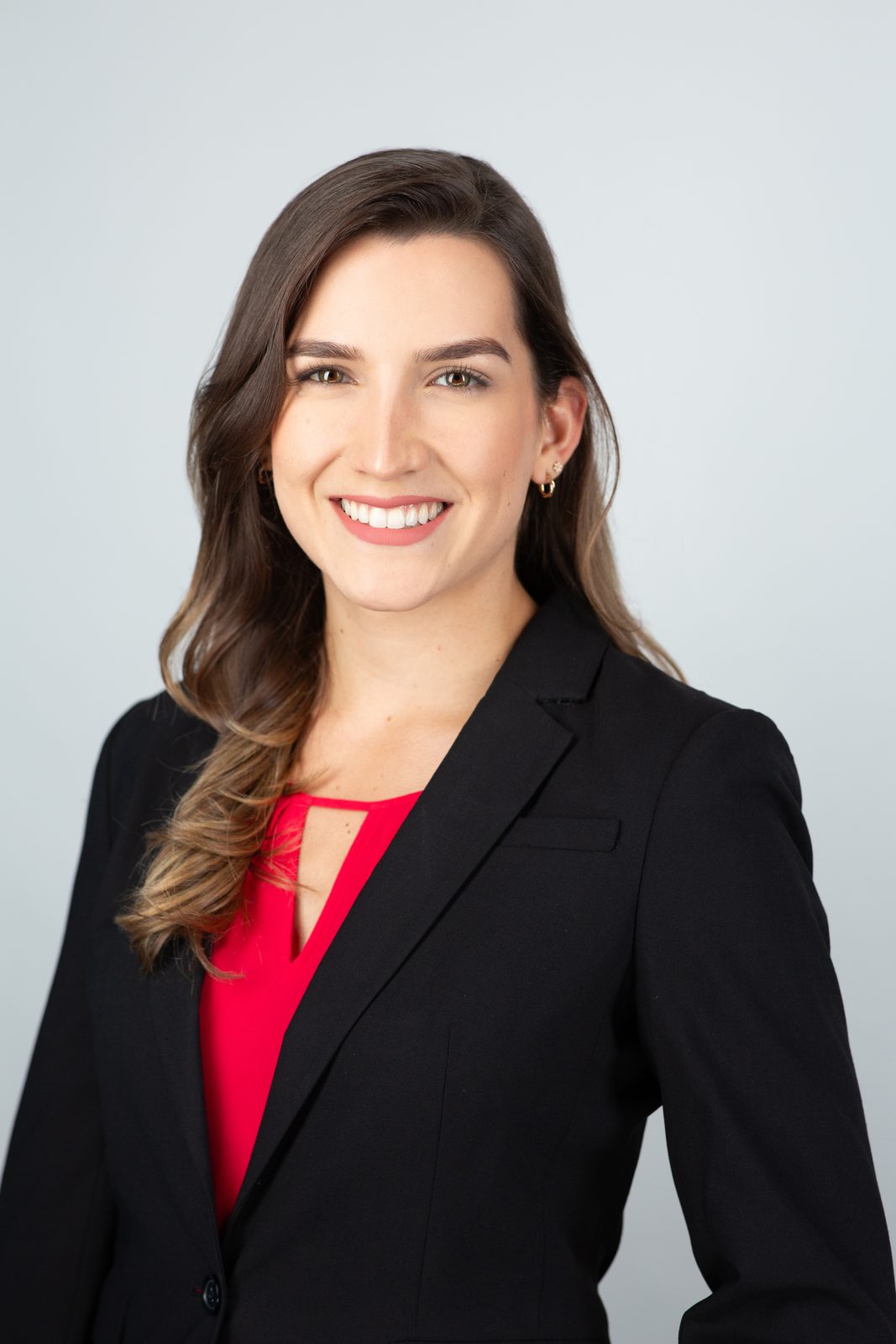
"Went out of his way to make the experience and the outcome great. Would highly recommend — I'll be going back."
"Very responsive, and understood quickly what I wanted. Walked away with many hard-to-choose photos. Highly recommend."
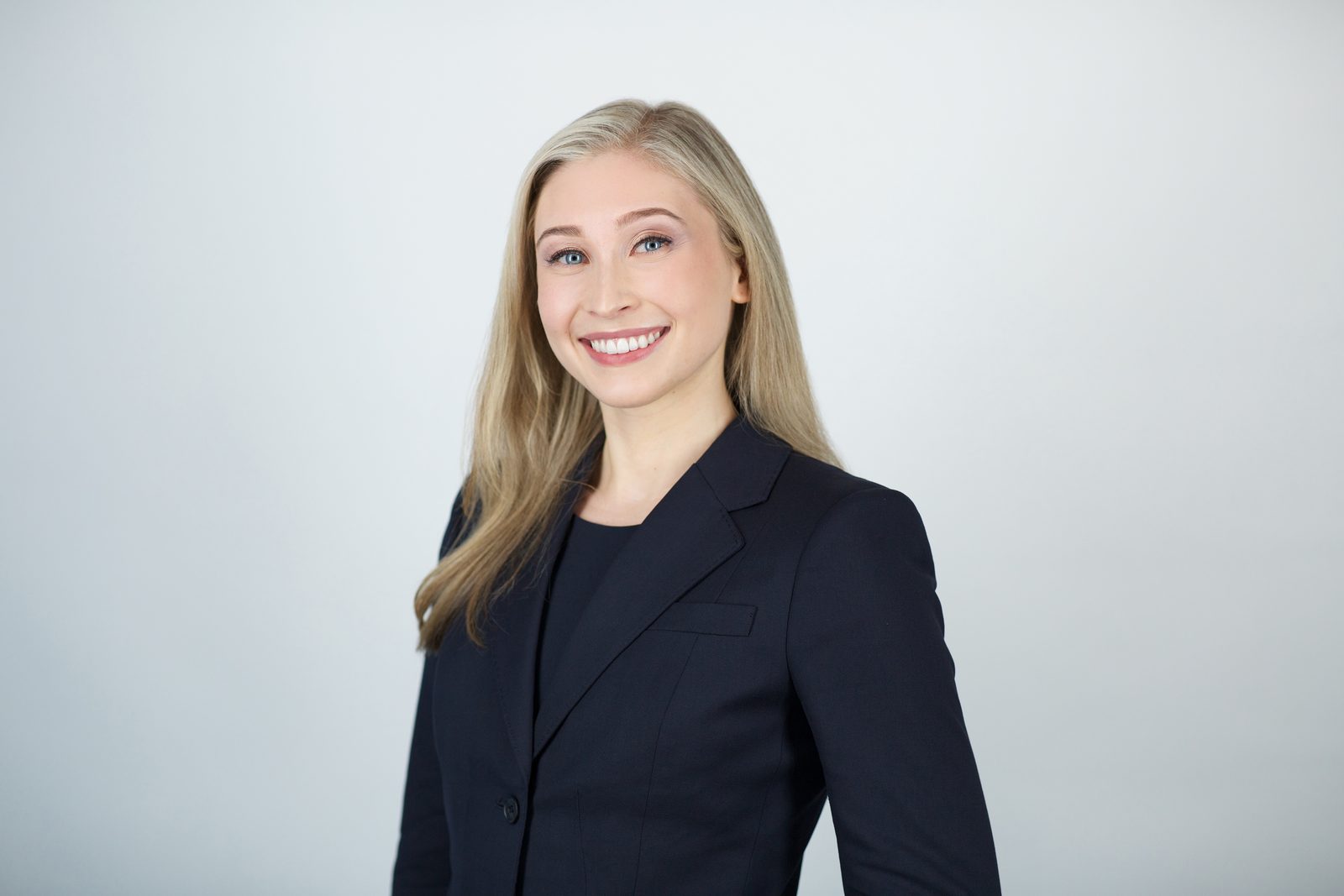
"A fantastic job in a short amount of time. Great direction on poses and angles, and the photos came out great."
Trusted by students from
Same-day delivery
Three convenient locations in New York and Miami. Same-day delivery. Both ERAS-formatted images and high-res versions of all the shots from the session. Available weekdays and weekends, including evenings.
Studio Pick a city to start.
Most popular
Application photo
$225
+ Extra looks
LinkedIn & social
$350
Sale · for two
Bring a friend
$300
Not sure which one? Email us · or call (212) 390-0410 · All major cards, Apple Pay, Google Pay · 100% satisfaction guarantee.
What's your city?
Same sessions, same AAMC-spec output, same-day delivery at every location.
The Preparation
Do these six things and you will walk in camera-ready.
Get a real night's rest. Tired eyes do not retouch well and there is no makeup pass to mask them. The single best thing you can do for your photo is be rested.
Dark navy, charcoal, or black jackets photograph beautifully. Solid-color tops, dresses, or button-downs all work. Avoid busy patterns — they pixelate in a 150 KB / 150 dpi file.
Creases show huge in a 2.5 × 3.5″ crop. Five minutes with an iron the night before saves you from regret on the file you upload to MyERAS.
A fresh cut, trim, blowout, or professional styling can make a big difference on the day of your session. Some people photograph best a day or two after a haircut, others look great walking straight out of the barber shop or salon. Stick to what you know: same stylist, same haircut. Use your past experience as a guide for when your hair looks its best. Beards: clean trim or a fresh shave. Bring a brush or comb for touchups before you walk in.
Hydrated skin reads great on camera. Today is not the day to try a new product, scrub, or self-tan. Stick with what you know and trust.
No need to come early and please don't run late. There's a place to wait and to get ready, with plenty of mirrors, a private restroom to change in, and an iron, steamer, and hair dryer on hand for last-minute touch-ups.
Your photographer guides you through angles, posture, and expression. We also help you get comfortable. Conversation is part of the process. It's how we capture your natural expression. Don't hesitate to open up to your photographer.
FAQ
ERAS application photo requirements, dimensions, timing, and same-day delivery for the 2027 residency and fellowship cycles.
AAMC requires ERAS photos to be 2.5 × 3.5 inches (375 × 525 pixels at 150 dpi), saved as JPEG or PNG, no larger than 150 KB. The image must be a head-and-shoulders shot on a plain light background in professional attire.
| Spec | AAMC requirement |
|---|---|
| Print size | 2.5 × 3.5 inches |
| Pixel size | 375 × 525 px (minimum) |
| Resolution | 150 dpi |
| Aspect ratio | 5 : 7 (portrait) |
| File format | JPEG (.jpg) or PNG (.png) |
| Max file size | 150 KB |
| Background | Gray, off-white, pale blue |
| Composition | Head & shoulders, face centered |
| Attire | Professional, solid colors preferred |
Every session includes a JPEG formatted to MyERAS specifications and ready to upload. No resizing required.
AAMC requires 375 × 525 pixels at 150 dpi. For the highest-quality source image, start with a high-resolution photo (1,500 × 2,100 pixels or larger) and downsize it for the final MyERAS upload. We shoot at full sensor resolution and deliver both the 150 KB JPEG that meets MyERAS specifications and a high-resolution master file.
ERAS accepts JPEG (.jpg) or PNG (.png). JPEG is the most common choice because it compresses to under 150 KB more easily than PNG. We deliver JPEG by default.
150 KB. Files larger than 150 KB will be rejected on upload to MyERAS. Every photo we deliver is compressed to fit under the limit while maintaining professional image quality.
AAMC specifies a plain, light background. Typically light gray, off-white, or very pale blue. Avoid pure white and any patterned, textured, or dark backdrop. All three of our studios shoot on a light-gray seamless.
The 2027 ERAS residency cycle opens for applicants on June 4, 2026. International medical graduates request their ERAS Token through ECFMG's MyIntealth platform in late June 2026. Applicants may begin submitting MyERAS applications to programs on September 2, 2026; programs may begin reviewing applications on September 23, 2026.
Schedule your ERAS photo six to eight weeks before the September application window, typically July or early August so you have time for a retake if anything needs adjustment. For the 2027 cycle, aim for a session by mid-August 2026.
The 2027 fellowship cycle opens on June 4, 2026 at 9 a.m. ET. EFDO distributes fellowship tokens starting June 5, 2026. July-cycle specialties (cardiology, GI, heme/onc, pulmonary, critical care) may begin submitting on July 1, 2026, with programs reviewing from July 15. December-cycle subspecialties (interventional cardiology, advanced heart failure, transplant subspecialties) begin submitting on November 12, 2026, with programs reviewing from December 2.
ERAS Basic and Besties sessions run up to 20 minutes per person. ERAS Plus runs up to an hour and includes multiple outfit changes and backgrounds.
Same day. You leave the studio with the final AAMC-spec JPEG ready for MyERAS, and the full high-resolution gallery is delivered within a few hours.
The MyERAS-ready file is yours before you walk out — picked with the photographer's help so you leave with the strongest frame. The full hi-res gallery — for LinkedIn, faculty pages, fellowship reuse — arrives by email within a few hours, organized by rating so the best shots are surfaced first.
At ERAS Photo, a single-applicant ERAS Basic session is $225. ERAS Plus (longer session, multiple outfits) is $350. ERAS Besties is $300 total for the whole session — split it with a friend from med school for $150 each, the lowest per-person price on the menu. Retouching is available for $25–50 per image (Basic $25, Advanced $50).
| Spec | ERAS Basic | ERAS Plus | ERAS Besties |
|---|---|---|---|
| Session price | $225 | $350 | $300 total |
| Per person | $225 | $350 | $150 |
| Session length | Up to 20 min | Up to 60 min | Up to 20 min each |
| Outfits | 1 | 2+ | 1 |
| Backgrounds | 1 (AAMC light) | 2 (light + alt) | 1 (AAMC light) |
| AAMC-spec JPEG | Same day | Same day | Same day |
| Hi-res gallery | Yes | Yes (150+ frames) | Yes |
| LinkedIn / faculty crop | — | Included | — |
| Retouch | $25–50 / image | $25–50 / image | $25–50 / image |
Quick tip: grab a friend from med school and book ERAS Besties together. The Besties session is $300 total, $150 per person. It's our lowest per-person price. You'll come to the studio together and cheer each other on. Each of you receives the AAMC compliant ERAS headshot, ready for MyERAS upload. Sharing a session is faster, more comfortable, and more affordable than booking separately, without compromising on quality.
AAMC does not technically require a professional photographer, but program directors see thousands of photos each cycle. A poorly lit phone shot stands out on the application for the wrong reasons.
Retouching is available for $25–50 per image (Basic $25, Advanced $50). It includes removing flyaways, blemishes, under-eye smoothing, and teeth whitening.
Solid colors photograph best. Dark navy, charcoal, or black jackets are the safest choice. Avoid busy patterns. They pixelate at the 150 KB / 150 dpi compression. A simple button-down or sweater works if a blazer isn't your style.
AAMC does not require a smile, but program directors respond well to a natural, warm expression. The photographer will direct you on the day of your session.
Yes. The studio adjusts your angle and lighting to avoid lens glare. If your prescription includes anti-reflective coating, you're in good shape. If not, the photographer may ask you to remove the glasses for two or three frames as backup.
The eight common rejection reasons: file larger than 150 KB; wrong aspect ratio (not 5:7); background too dark or patterned; head not centered; face partially cropped or too small in frame; sunglasses or hat visible; image is a screenshot rather than a JPEG/PNG; image was rotated and saved with wrong orientation metadata.
Yes. You can update your photo in MyERAS at any point, but program directors who've already opened your application may have seen the original. Get it right the first time by booking with a studio that delivers AAMC-spec output the same day.
An ERAS photo is a tightly cropped 2.5×3.5-inch head-and-shoulders image on a plain light background, sized under 150 KB for the AAMC system. A LinkedIn headshot is square, larger, and can be used at higher resolution on company websites/personal branding. LinkedIn headshots also have more flexibility in the background color and style for the headshot. ERAS Plus delivers both formats from one session.
Yes. The AAMC photo spec is identical for ERAS and fellowship. If your residency photo is recent (within 12 months) and still looks like you, you can re-use it for fellowship. Most applicants choose a fresh photo for fellowship to reflect their current career stage.
Often, yes. Beyond appearing in every reviewer's file, applicant photos are frequently projected on a wall or shown on a large screen while a residency selection committee discusses candidates together. Your application photo can be seen by an entire room at once. It's one of the highest-visibility elements of the whole application, which is why it's worth getting right even though the upload itself is small.
It depends on what needs fixing. Tiny details disappear because the file is compressed to a small resolution. A stray hair or two isn't worth retouching. Some adjustments are visible even at the small ERAS file size: clearer skin, whiter teeth, and wrinkles in clothing. Invest in retouching only where there's a real, visible improvement to make.
That's normal. It doesn't mean the photo is low quality. The ERAS file is formatted to the AAMC's required small resolution: 375 × 525 px, under 150 KB. When you open a file built for that small size and blow it up to fill a full screen, it naturally looks soft. You're viewing it far larger than it was made to be seen. It's sharp at the size programs actually display it. Every session also includes the high-resolution master for any use: LinkedIn, faculty pages, printing, anywhere you need full sharpness at large size.
You don't have to figure it out alone. During the session your photographer reviews the images with you and helps you identify the most successful photos. Your full gallery is organized by your ratings with the top-rated shots visible first. You always make the final call which photo to use. We just make recommendations and give you professional input.
We have three studios. You can choose whichever is closest. All three locations deliver the same AAMC-spec photos with same day delivery.
Yes. Our Times Square, Wall Street, and Downtown Miami studios are open on Saturdays and Sundays, including throughout the busy ERAS application season (July–September).
| Studio | Mon – Fri | Saturday | Sunday |
|---|---|---|---|
| NY · Times Square | 9 AM – 9 PM | 9 AM – 9 PM | 9 AM – 9 PM |
| NY · Wall Street | 9 AM – 9 PM | 9 AM – 9 PM | 9 AM – 9 PM |
| Miami · Downtown | 9 AM – 9 PM | 9 AM – 9 PM | 9 AM – 9 PM |
All three studios have the same hours, seven days a week. Weekend slots stay open straight through the ERAS peak (July – September). Hours are in local time for each studio.